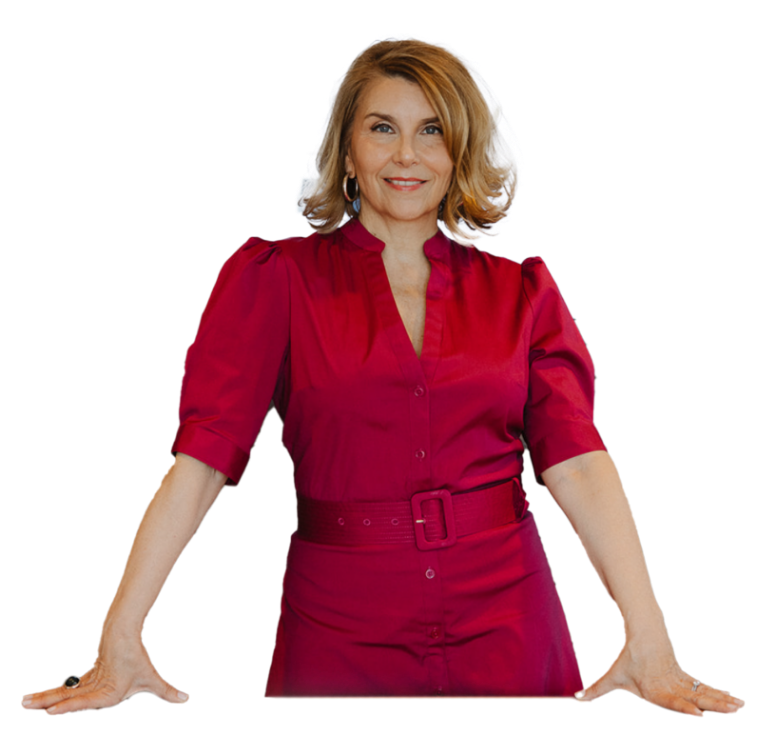
Calm confidence is the ability to communicate with clarity, composure, and authority without force or performance. It is not about being the loudest or most dominant person in the room — it is about being the most anchored. Calm confidence is characterized by intentional pausing, steady eye contact, and grounded body language that signals ease and authority. Unlike aggressive or performative confidence, calm confidence builds trust through presence rather than volume, making it one of the most powerful professional skills anyone can develop.
What Is Calm Confidence? How to Speak With Presence (Without the Noise)
Calm confidence is the elegant balance of clarity, composure, and conviction. It’s not about being the loudest in the room.
- Steady: You pause, breathe, and respond—rather than react.
- Clear: Your message is simple, strong, and easy to follow.
- Grounded: Your tone and body language signal ease and authority.
Why Calm Confidence Elevates Your Presence
In today’s fast, often noisy workplace, composure cuts through. People lean into leaders who project grace under pressure. Calm confidence does three things immediately:
- Builds Trust: Your steadiness helps others feel safe and seen.
- Amplifies Clarity: Clear structure and pacing make your message memorable.
- Signals Authority: Poise reads as readiness—clients and teams follow it.
3 Powerful Ways to Practice Calm Confidence Today
1) Pause Before You Speak
Take a one-beat pause before answering. That micro-moment telegraphs thoughtfulness and gives your mind time to choose precise, powerful language.
2) Breathe With Intention
Inhale slowly through your nose for a count of four, exhale for six. Two cycles before a meeting resets your nervous system and softens your tone.
3) Anchor With Eye Contact
Use relaxed, steady eye contact for one complete sentence before shifting to the next person. It feels natural and reads as confidence—not stare, not scan.
Micro-Moments You Can Use Today
- In Meetings: Lead with your headline, then offer two crisp points.
- On Zoom: Shoulders down, chin parallel, camera at eye level.
- In Email: One clear ask. One deadline. One call to action.
- When Challenged: “That’s a helpful point—here’s what I’m seeing…”
For Trainers & Speakers: Turning Calm Into Authority
If you teach or aspire to teach business etiquette, calm confidence is your signature. Your presence is the proof of concept. When you model composure, your audience mirrors it—and your content lands with far greater impact.
Ready to elevate your professional presence and lead with elegant authority?
Discover the Business Etiquette Speaker Certification
Common Myths—Gently Debunked
- Myth: Confidence means being extroverted.
Truth: It means being direct, clear, and composed—for every personality. - Myth: Calm looks passive.
Truth: Calm is decisive without being dramatic. - Myth: You need the perfect words.
Truth: Presence carries the message; simple language wins.
Try This 5-Minute Reset
- Ground: Plant both feet. Unclench your jaw. Drop your shoulders.
- Breathe: 2 slow inhales (4 counts) / exhales (6 counts).
- Frame: State your headline: “The core point is…”
- Deliver: Share two supporting points. Stop. Invite a question.
Elegant. Efficient. Effective.
Final Thought
Calm confidence isn’t a personality type—it’s a practice. With intention, anyone can cultivate it and lead with refined presence.
Frequently Asked Questions about Calm Confidence
Q: What is the difference between calm confidence and arrogance?
Calm confidence is rooted in composure and clarity — it invites others in rather than shutting them out. Arrogance relies on dominance and self-promotion, while calm confidence leads through presence, listening, and intentional communication. The key difference is it elevates everyone in the room, not only the speaker.
Q: Can introverts have calm confidence?
Yes — calm confidence is actually a natural strength for introverts. It does not require being outgoing, loud, or the center of attention. Introverts often excel at the core qualities of calm confidence: thoughtful pausing, deep listening, and precise word choice.
Q: How long does it take to develop calm confidence?
Small shifts can be felt immediately with intentional practice — such as pausing before speaking or using steady eye contact. Building this quality as a consistent presence typically takes 30 to 90 days of deliberate daily practice. Like any professional skill, the more you apply it in real situations, the more natural it becomes.
Q: What does calm confidence look like in the workplace?
In the workplace, it looks like a leader who speaks last but is heard most. It shows up as measured responses under pressure, clear and concise communication in meetings, and body language that signals ease and authority. It is the professional who never raises their voice but always commands the room.
Q: Is calm confidence a skill or a personality trait?
This quality is a skill — not a fixed personality trait. Anyone can develop it regardless of their natural temperament, background, or communication style. With the right techniques and consistent practice, calm confidence becomes a reliable professional tool available to every person.
Read: What Is Calm Confidence?
Related Article: What is Executive Presence?